
North Carolina

Host Site:
North Carolina 4-H and the Center for Environmental Farming Systems (CEFS) at North Carolina State University have overlapping missions of youth agricultural education, future food system leadership, and sustainable food system development.
Whether digging in the dirt with young children or planning statewide programming with agency directors, both organizations are dedicated to building a healthier food system across North Carolina, and both share a particular focus on communities of need.
Service Sites:
The North Carolina Service Sites are committed to connecting kids to good food and include university researchers and governmental agencies in the public health sector, state agricultural research and extension organizations, and non-profit establishments. All of the state's sites focus their school garden initiatives in locales with high poverty and obesity rates but rich in land resources, farming knowledge, and motivated community leaders:
- Guilford County Cooperative Extension Desert City
- Working Landscapes
- Southeastern NC Food Systems Program, UNC Wilmington
- Gaston County Cooperative Extension
- Communities in Schools (CIS)
- NC 4-H and Center for Environmental Farming Systems (CEFS)
Service Members delve into experiences in communities that are as diverse as the landscape they inhabit:
- Getting Dirty: Members build brand new gardens from the ground up (down if you are talking turnips) and teach in established gardens
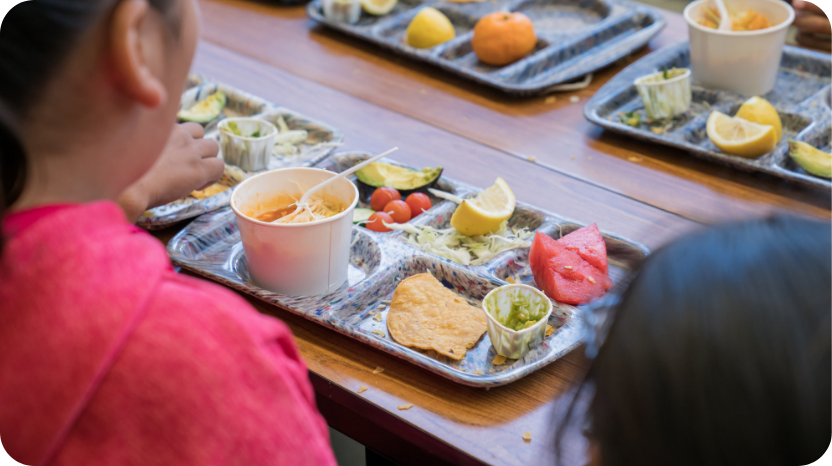
- Eating and Living Well: Members assist in cooking classes/clubs using healthy food form the garden and local farms and helping children and families deepen relationships to good food
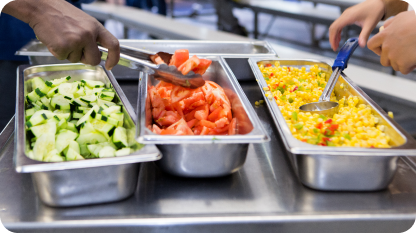
- Connecting Tractors and Cafeteria Trays: Service Members facilitate local sourcing, creative distribution and processing projects
- A State of School Gardens: Service Members contribute to statewide capacity building by engaging in community food assessments, program evaluation, and research of health impacts of gardens
All NC FoodCorps Service Members develop leadership skills and knowledge in food system literacy, food production, food system programming, diverse communities, and advocacy for children’s wellness.