Food Crops Background
Winterizing Your School Garden
Get your school garden ready for the cold.
NEW Food Education in the Classroom Microcredential for K-5 educators! Next session: Nov. 2 – Dec. 13.
Get your school garden ready for the cold.
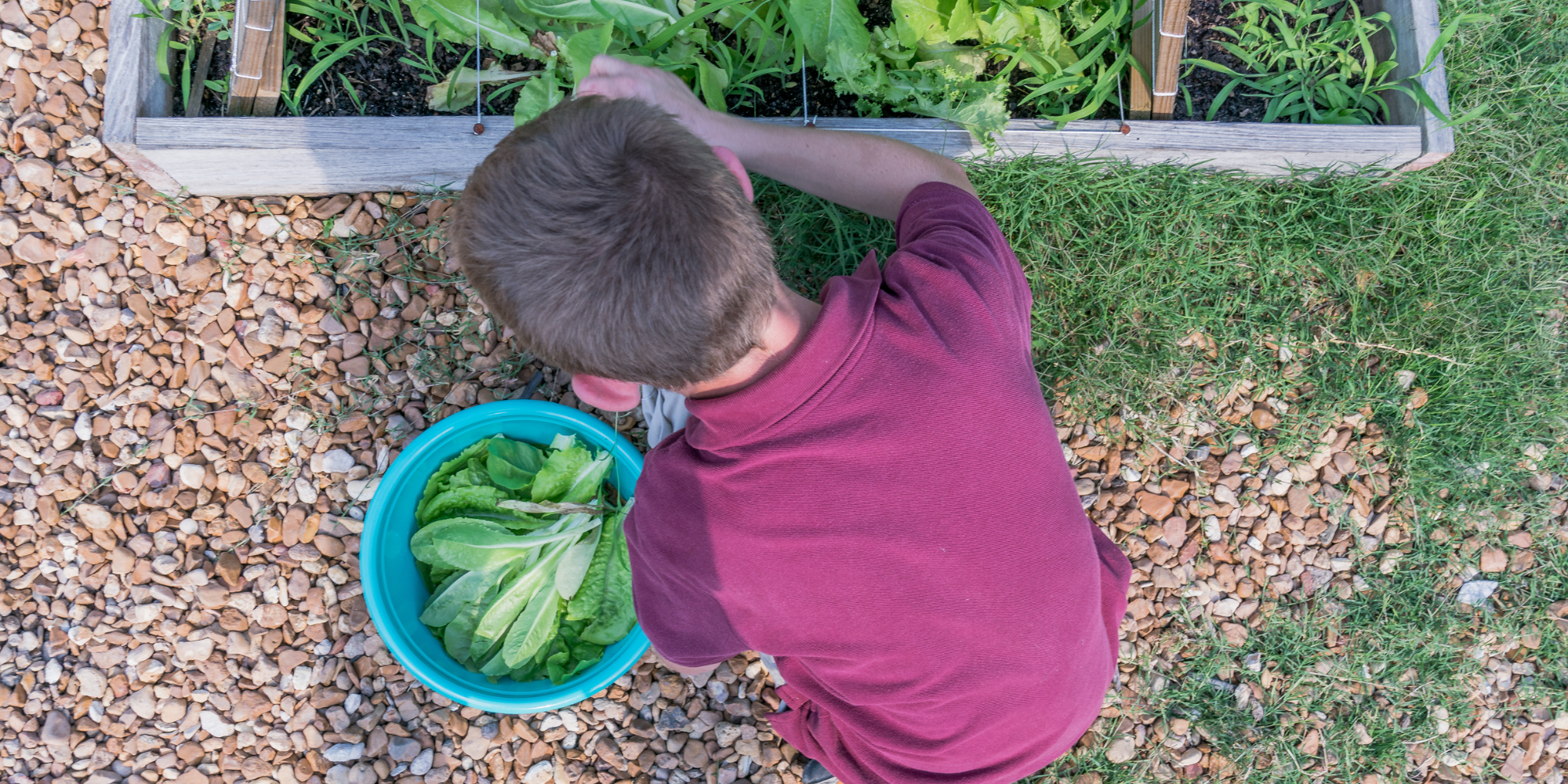
What does it mean to “winterize” your garden? Winterizing refers to preparing a garden for cold winter weather. While gardens thrive through most of the year, lower temperature and less sunlight can often call for special preparations.
If you’re responsible for a school garden in a region with cold winters, follow these steps to winterize your garden. Your crops will thank you when the sun comes out again.
Ready to winterize your school garden? Start with these steps, adapting them as needed based on your garden.
Clear any annuals from your garden. Annuals will not re-bloom and need to be re-planted each year. If you’re working with kids, have them harvest the last of the produce from annual plants for a fun way to celebrate the end of the season.
Clear any diseased plants from your garden, and do not compost them. Composting these plants could re-introduce the disease to your garden in the future.
Cover any empty beds with burlap bags, straw, or tarps. Secure them with sandbags or rocks.
Cover any root crops, like carrots, beets, or parsnips, with a sturdy layer of mulch, straw, or leaves to protect them from freezing temperatures.
Find appropriate cover crops for your region. Cover crops are typically used to enrich and protect the soil. Some cover crops that are also edible include fava beans, peas, or turnips.
Scatter your cover crop seeds over your garden and rake the soil to incorporate the seeds. Gently pat the top to ensure the seeds are touching the soil.
Take inventory of your garden! The slower winter months are the perfect time to assess what’s growing well, clean your tools, and take stock of what you’d like to do in the next planting season.
These tips were adapted from the FoodCorps lesson Putting the Garden to Bed with bonus tips from FoodCorps staffer and gardener Destiny Schlinker. Visit our website for more classroom-ready gardening lessons.
From the Archive: Snow Days, Hungry Days (2019)

Policy Spotlight: 15 Years That Shaped School Meals
Lunch Today, Leaders Tomorrow: 15 Years of FoodCorps