Food Crops Background
3 Ways School Food Is Evolving
Encouraging trends show how schools are nourishing kids better than ever
NEW Food Education in the Classroom Microcredential for K-5 educators! Next session: Sept.7-Oct. 18.
Encouraging trends show how schools are nourishing kids better than ever
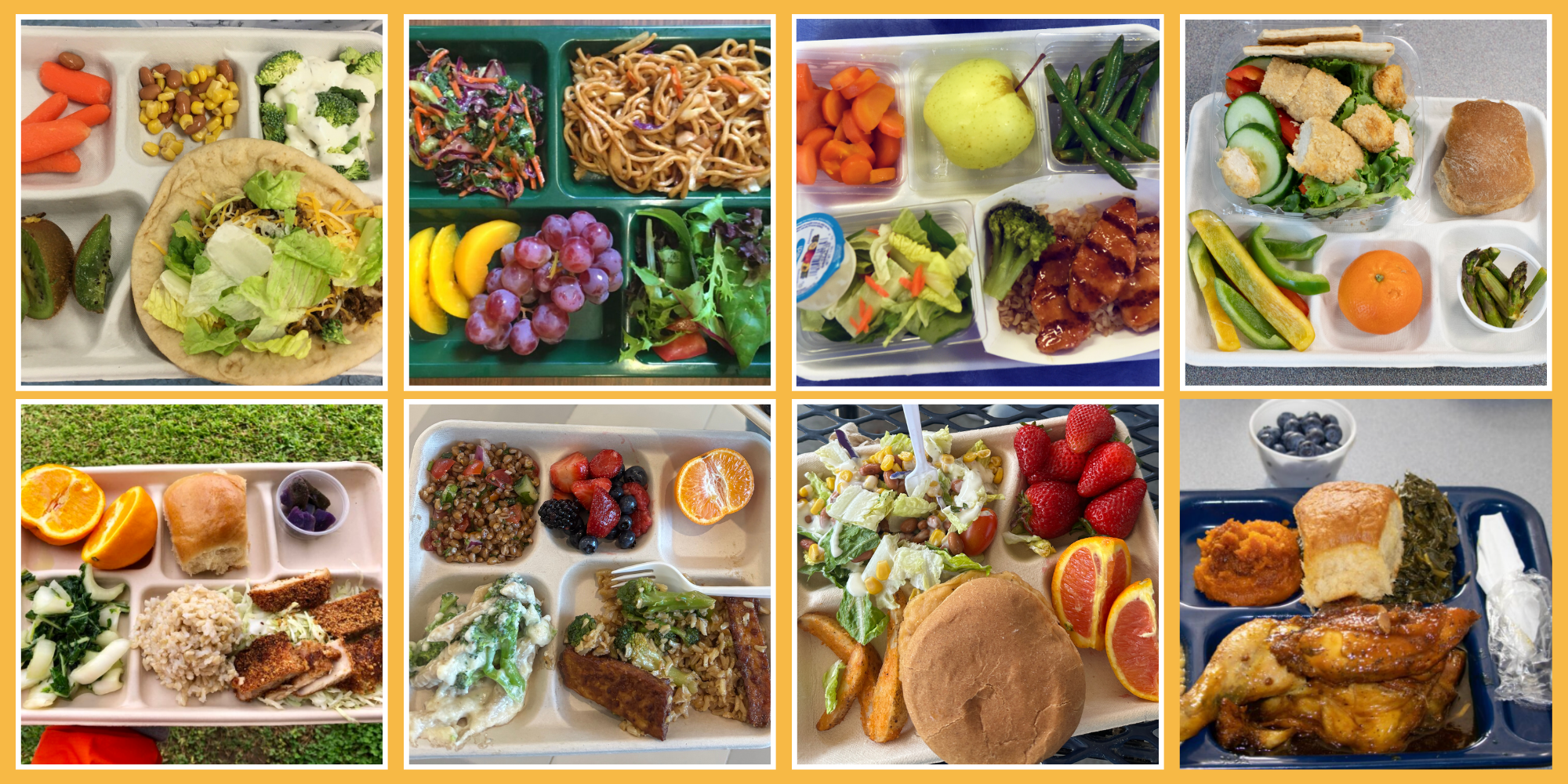
In the movement to ensure every child has access to free, nourishing food in school, progress can feel glacial. But looking back on the past 20 years, from policy changes to pandemic hardships, it’s clear school nutrition is evolving for the better. Here are three ways we’re seeing school food transform—with remarkable results.
School meals have changed dramatically since the passage of the 2010 Healthy, Hunger-Free Kids Act. This federal policy required cafeterias to offer more fruits, vegetables, and whole grains at every meal, marking a shift away from the highly processed foods forced on schools following federal budget cuts in the 1980s. Critics argued higher nutritional standards would make meals less appealing for kids and result in more food wasted and fewer kids opting into school meals. Today, we know those claims were unfounded: a USDA study showed that not only did food waste go unchanged—and in some cases went down—but that kids’ participation in meals was actually higher where school meals were healthier.
School nutrition teams have put in the work to get kids excited to eat these nutritious meals, introducing scratch cooking, installing salad bars, providing sauce and spice stations, and conducting taste tests that let students take part in menu planning. The results are mouth-watering. The bottom line: school meals today are more nutritious and delicious, and kids are eating it up.
All the new features on offer in school cafeterias are making lunchrooms feel more like restaurants—and school nutrition professionals more like skilled chefs and restaurateurs. Around the country, food service directors (the people who oversee meals for school districts) are showing innovation and creativity in leveling up school meals, from creating restaurant-like experiences for students to centralizing operations to make scratch cooking possible. They’re doing this under big constraints: with an average budget of $4.70 per meal—just $2.10 of that for food after accounting for labor, supplies, and other costs—it’s no small feat to create nutritious, appetizing dishes, along with all the loving details that take into account students’ needs, preferences, and cultures every day.
Training programs are making it easier for school food professionals to gain the culinary chops and business knowhow to meet their schools’ culinary goals. Among them, the Chef Ann Foundation’s Get Schools Cooking helps schools move from heat-and-serve to scratch cooking. Celebrity chef Dan Giusti’s Brigaid pairs school teams with professional chefs to sharpen culinary skills. And FoodCorps’ Kindred Fellowship emphasizes leadership development and advocacy to drive change in school nutrition programs. These kinds of offerings mean school nutrition teams get the support they need to feed kids well.
(Applications for FoodCorps’ next Kindred Fellowship cohort open in June. Learn more here.)
School meals give students nourishing food that helps them focus and learn in class. Federal policies have made school meals affordable for millions of families, but there are still hurdles that leave some kids behind. Not all families struggling to make ends meet qualify for free meals, and application processes can be complicated, keeping some families—especially those with language or documentation barriers—from applying even if their kids are eligible.
We’ve fixed this before. The idea of free school meals for all caught on in the early days of the COVID-19 pandemic, when a series of USDA waivers cleared the way for schools to serve free meals to all kids regardless of their family income. It was an urgent shift and a huge success. When those waivers expired in 2022, several states and school districts took matters into their own hands. Today, 9 states have made school meals free for all public school students, and at least 28 others have introduced free school meal policies. In states without free school meals for all, more schools and districts are adopting the Community Eligibility Provision, another route toward free school meals on a local scale. Participation has skyrocketed over the past decade that the program has been available, benefiting millions of students today.
The benefits of free school meals for all are well documented: more kids get a nourishing meal, the stigma of a free meal disappears, and a simpler process in the lunchline allows for smoother service that gives kids more time to eat. What’s more, school nutrition teams get to spend less time and money on administrative burdens and more on nourishing kids. Free school meals aren’t a handout—they’re an investment in our schools and our kids’ futures.
Want to know where your state stands on free school meals for all and show your support? Check out FoodCorps’ Policy Action Map, and create a profile to get updates on actions you can take to support and improve school meals in your community.

From the Archive: Snow Days, Hungry Days (2019)

Policy Spotlight: 15 Years That Shaped School Meals

Lunch Today, Leaders Tomorrow: 15 Years of FoodCorps