

Food Crops Background
What is Child Nutrition Reauthorization, or CNR?
What is CNR, and why does it matter?
What is CNR, and why does it matter?
This post was last updated February 25, 2026.
If you’re involved in child health in any way, you’ve probably heard the words “child nutrition reauthorization,” or CNR, get tossed around at some point. Advocates in the child nutrition world spend a lot of time focusing on CNR and what it means for school nutrition and student health. So, what is child nutrition reauthorization? And more importantly, why should you care?
It sounds like the name of a bill, but CNR is actually a process, not a law-to-be. Child nutrition reauthorization is the process when Congress scrutinizes and updates laws that govern all child nutrition programs. These programs include school lunch and breakfast, summer meals, after-school meals, and more—meaning CNR actually covers a lot of ground when it comes to what kids eat.
The CNR process generally occurs every five years. However, the last time Congress reauthorized these programs was more than a decade ago— when it passed the Healthy, Hunger-Free Kids Act in 2010. That means schools and meal providers are operating under outdated laws that don’t reflect the current needs of kids and families.
Congress has made several attempts to move on CNR in recent years, including beginning the process in the 2015-2016 session and holding hearings in 2019, but it has yet to successfully authorize new legislation. If you sense that you’re hearing from child nutrition advocates about CNR every few years, this is why—repeated attempts to start the process without ever finishing.
If you care about the health of our kids and you want to see change on a national scale, you should care about this process.
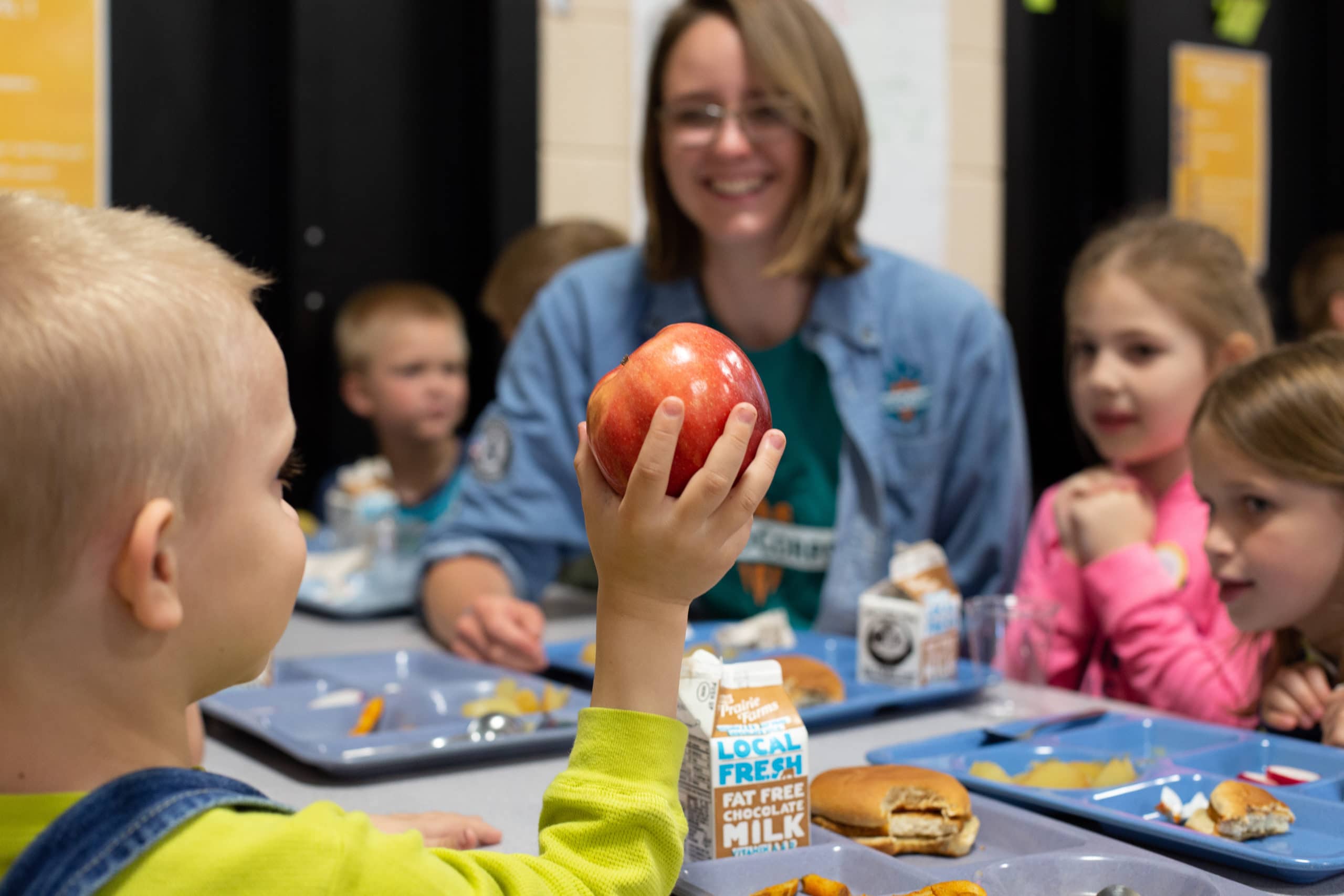
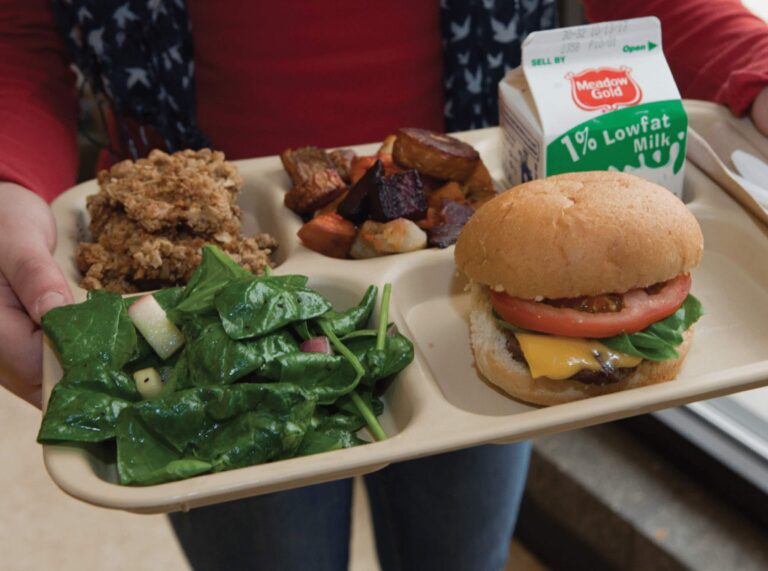
Before the pandemic, 30 million kids ate school lunch every day. Many kids eat as many as half of their daily calories at school. And the COVID-19 pandemic has only brought more attention to the vital role schools play in feeding our kids and the need to support and strengthen these programs to recognize that role.
CNR is an opportunity to help make sure more kids, schools, and communities can access nutritious, local, and delicious fresh foods, and to make positive changes that push some of the government’s investments in a healthier direction.
Updates to CNR are long delayed, but we’re hopeful that Congress will soon turn its attention to these crucial programs. FoodCorps is working closely with the congressional committee staff as they consider potential changes to the child nutrition programs.
We need to be vigilant and be ready to advocate for the next CNR—and issues like food education, local procurement, upgraded cafeteria equipment, and farm to school—and to guard against actions that weaken these vital programs. Keep an eye on our action center for other opportunities to get involved.
Already signed up? Share this with a friend or on your social media channels! Every voice makes a difference.
Related read: What is the Fresh Fruit and Vegetable Program? | “The Fresh Fruit and Vegetable Program (FFVP) provides all children in participating schools with a variety of free fresh fruits and vegetables as a snack. The program is particularly beneficial for children who depend on schools for their daily nutrition. It is an effective and creative way of introducing fresh fruits and vegetables, and creates opportunities for kids to try nutritious foods they otherwise may never taste.”
FoodCorps is a non-partisan, non-profit organization. No federal funds were used to prepare or distribute these advocacy actions.
The Policy Brief, Winter 2026: What Happened and What’s Ahead
19 Plant Jokes for Kids and Families
3 Reasons We Need School Meals for All