Food Crops Background
School Breakfast: 4 Things to Know
How schools around the country feed millions of kids breakfast every day.
NEW Food Education in the Classroom Microcredential for K-5 educators! Next session: Sept.7-Oct. 18.
How schools around the country feed millions of kids breakfast every day.
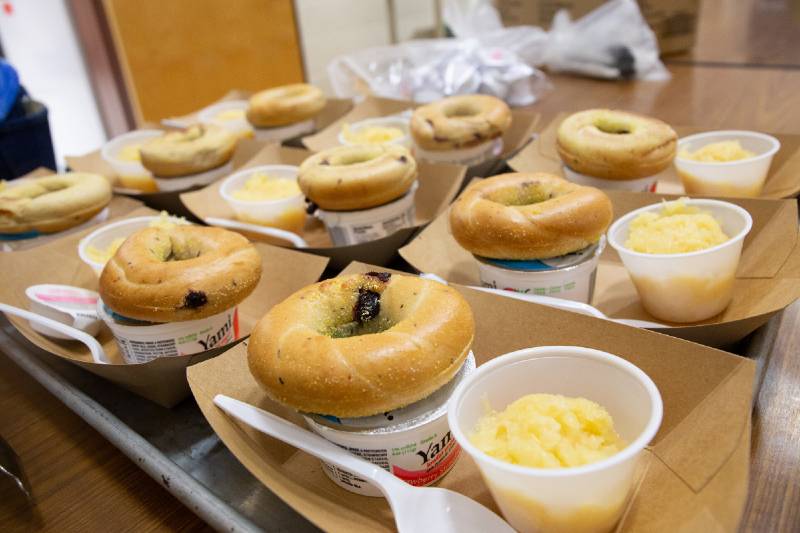
Happy National School Breakfast Week! National School Breakfast Week is an annual celebration of the School Breakfast Program, launched nationally in 1975 and serving millions of kids every day. School breakfast is an opportunity to feed our kids nourishing meals that help them learn, grow, and thrive.
In celebration of this week, here are four things you need to know about school breakfast.
There’s a reason you’ve heard that breakfast is the most important meal of the day. Have you ever gone a day without breakfast, only to find yourself with a growling stomach and trouble focusing? The same is true for kids—but unfortunately, not all children have access to a healthy breakfast at home. As a result, many kids arrive at school with empty bellies—and hungry kids can’t learn.
Enter the School Breakfast Program, a federal program administered by the USDA and through various state agencies, usually departments of education or agriculture. Started as a pilot program in 1966 and expanded nationally in 1975, the School Breakfast Program ensures that kids have an opportunity every morning to fuel up at school before a big day of learning. Students from low-income families are also eligible for free or reduced-price school breakfast thanks to this program.
In addition, federal provisions allow schools with a high number of children from low-income families to offer breakfast to all students at no cost to families, made possible by the USDA’s Community Eligibility Provision. This supports students’ well-being, reduces the stigma of only certain kids receiving free or reduced-priced meals, and lightens the administrative burden for schools.
If you missed this in history class, you’re not alone.
Beginning in January 1969 at an Episcopal church in Oakland, the Black Panther Party began offering free breakfast to children before school. The Free Breakfast for School Children program was part of the Black Panthers’ multifaceted effort to create social programs that supported health and well-being in Black communities. Volunteers would solicit food donations from local grocery stores and prepare healthy meals for hundreds, then thousands of school kids, all for free.
Indeed, schools saw a difference; teachers reported that students were no longer falling asleep in class or complaining about hunger pains. The Black Panther Party fed tens of thousands of children in at least 45 programs across the country, often feeding thousands of kids per day.
The FBI eventually dismantled the initiative, but the Black Panthers’ free breakfast program pressured the federal government to create a permanent school breakfast program and implement it nationwide.
According to our partners at the School Nutrition Association, the School Breakfast Program is underutilized: about 30 million kids eat free or reduced-priced lunch at school, but only 12.6 million eat free or reduced-price breakfast. Mornings can be a busy time for families. Between getting ready for school, hurrying on and off the school bus, and trying to make it to class on time, getting breakfast in the cafeteria before school starts can be challenging for many kids.
In response to this issue, many schools are implementing programs referred to as Breakfast After the Bell to increase participation in school breakfast programs. These programs allow kids to eat breakfast in the classroom after the official start of the school day, or during a designated break. In addition to increasing participation, a study from No Kid Hungry found, Breakfast After the Bell programs can help reduce chronic absenteeism, where students miss three weeks of school or more each year.
Federal policy isn’t the only way to guarantee every kid has access to a healthy breakfast. Policy changes at the state or district level can be effective in increasing participation in the School Breakfast Program, particularly among low-income children who need it the most.
For example: In recent years, more and more states have passed their own Breakfast After the Bell legislation, making breakfast a part of the school day for every kid at the state level. And some states have increased breakfast participation even further by providing additional state funding to support implementing these programs.
Want to speak out on school meal policies? Sign up for FoodCorps Action Alerts and we’ll send you opportunities to raise your voice for healthy schools and healthy kids. You can also join our partners at No Kid Hungry in speaking out for Breakfast After the Bell.
Policy Spotlight: 15 Years That Shaped School Meals
Lunch Today, Leaders Tomorrow: 15 Years of FoodCorps
SNAP 101: What to Know About SNAP