Food Crops Background
AAPI Voices: Food as a Love Language
These are dishes that mean care, comfort, and belonging to our staff.
NEW Food Education in the Classroom Microcredential for K-5 educators! Next session: Nov. 2 – Dec. 13.
These are dishes that mean care, comfort, and belonging to our staff.
This Asian American and Pacific Islander (AAPI) Heritage Month, we asked FoodCorps staff: How does food show up in the way you care for yourself and others?
Across many Asian American and Pacific Islander cultures, care is shown and shared. It’s in the extra serving placed on your plate, the recipe passed down without measurements, the familiar dishes that bring comfort, memory, and belonging.
We see this every day in our community: in the educators weaving food traditions into their classrooms, in students proudly sharing meals that tell their stories, and in farmers growing culturally significant ingredients that nourish both people and heritage.
We’re honored to uplift these voices and share their stories of comfort, love, and community through food.
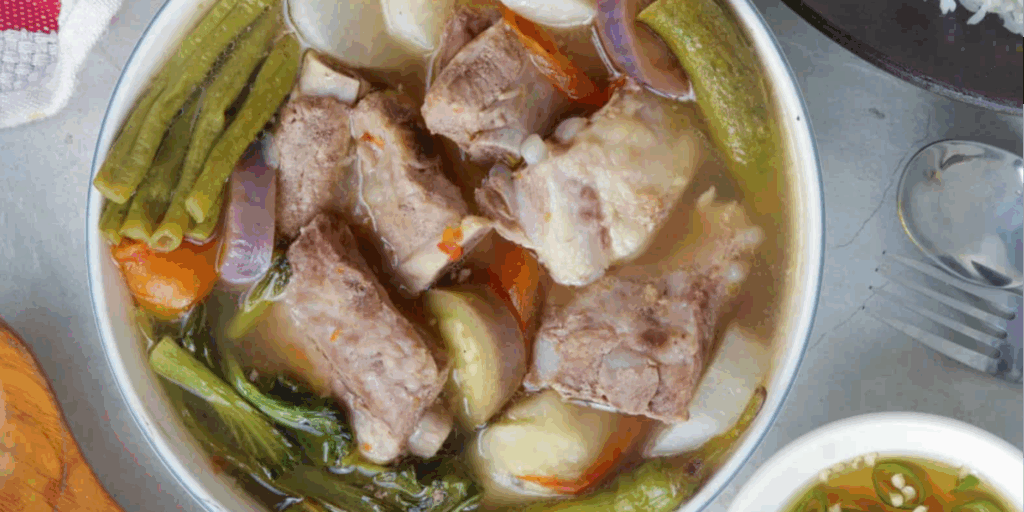
“It’s my go-to comfort food. I always make it when I’m sick. So it’s a way to care for myself and others, and also connects me deeply to my roots! It’s one of those recipes that lets me use what I already have to create something nourishing, so no vegetable ever goes wasted, and it’s always welcoming to new veggies.”
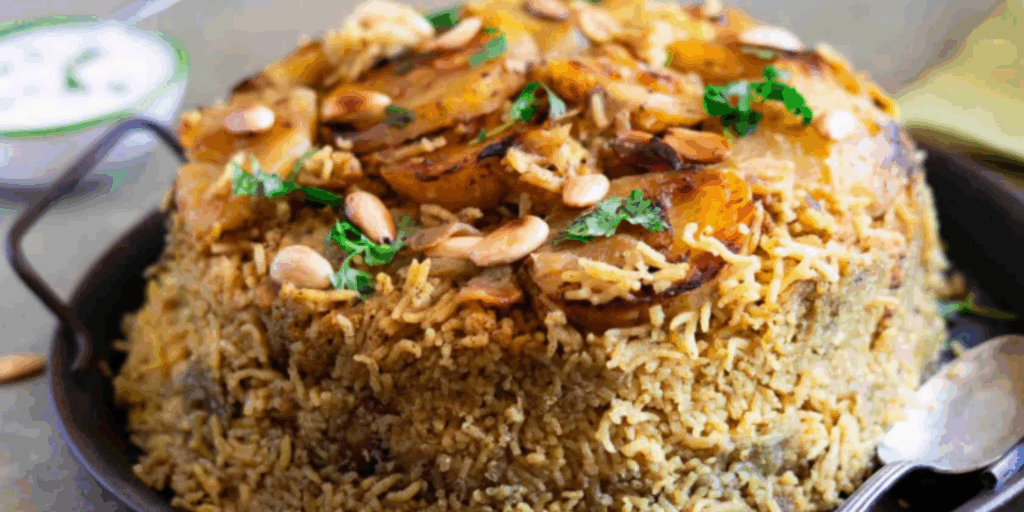
“I recently had the honor of trying makloubeh, and it’s easily become one of my favorite meals. It’s a traditional Palestinian dish that layers rice, meat, fried or roasted vegetables, and potatoes together. Through this meal, I’ve learned more about Palestinian culture and how food is a shared experience to honor the significance of belonging.”
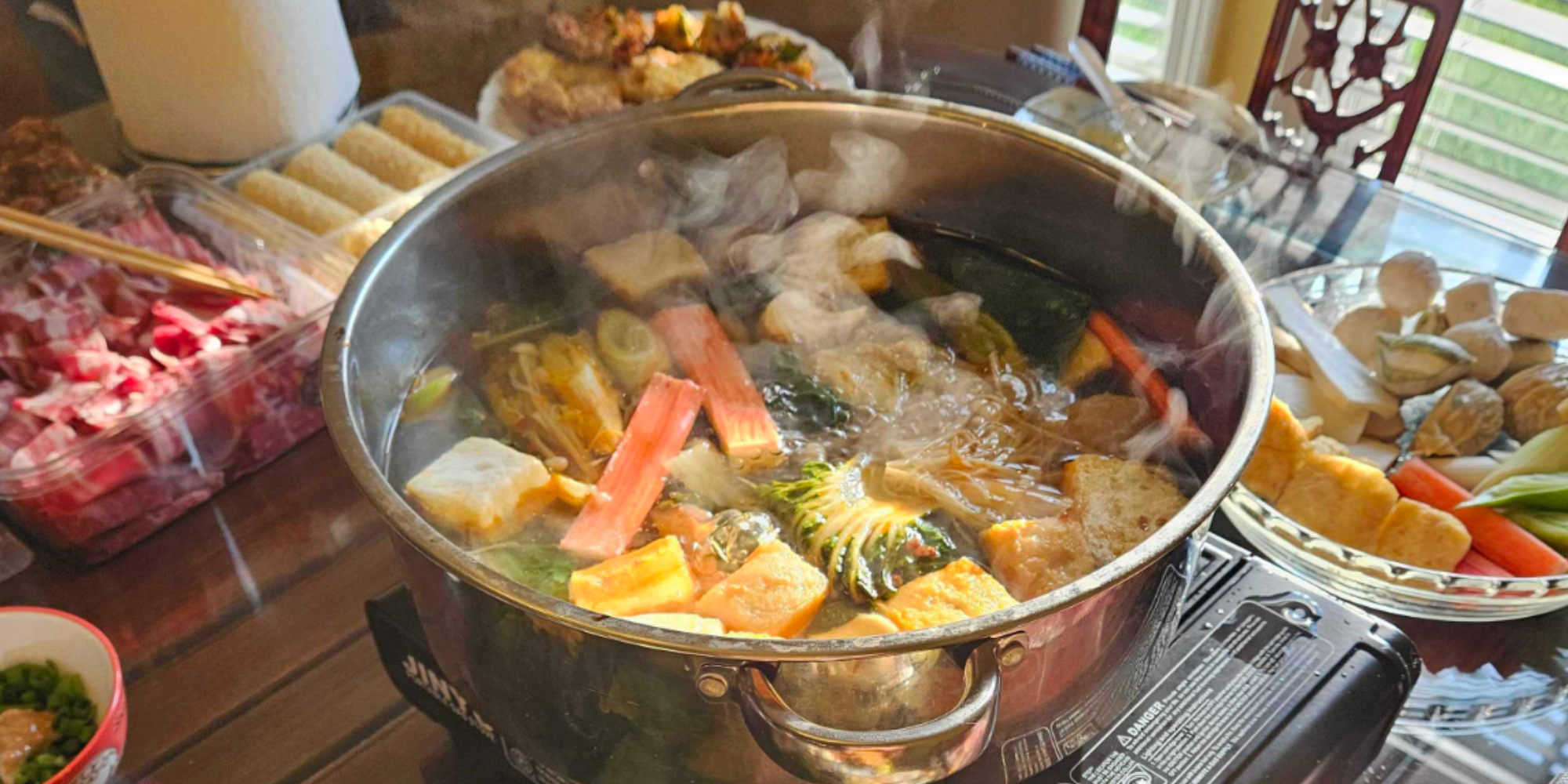
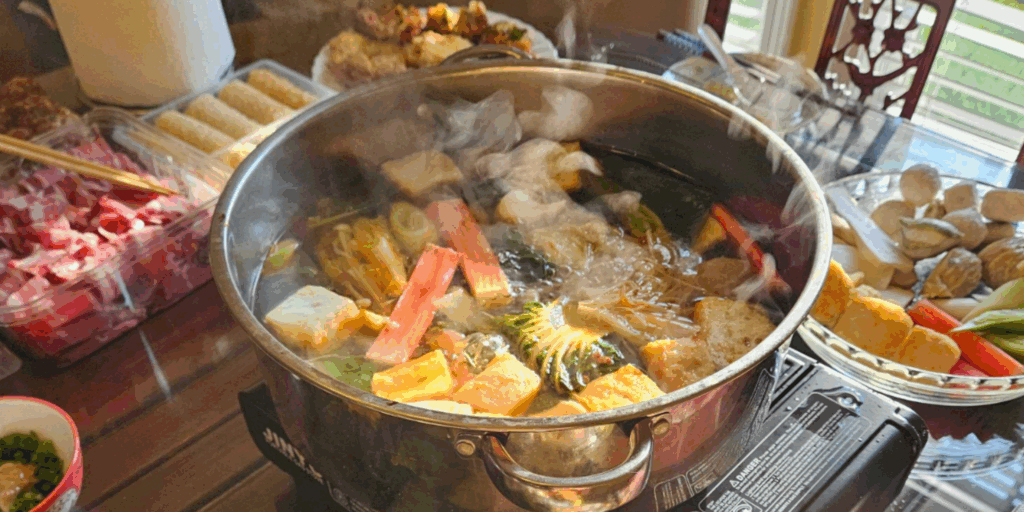
“In Chinese culture, food is a love language written in shared plates. Hosting a long hot pot meal has been a tradition for us every year—friends sharing food, laughter, and life stories during a two-hour meal is something truly unforgettable.”
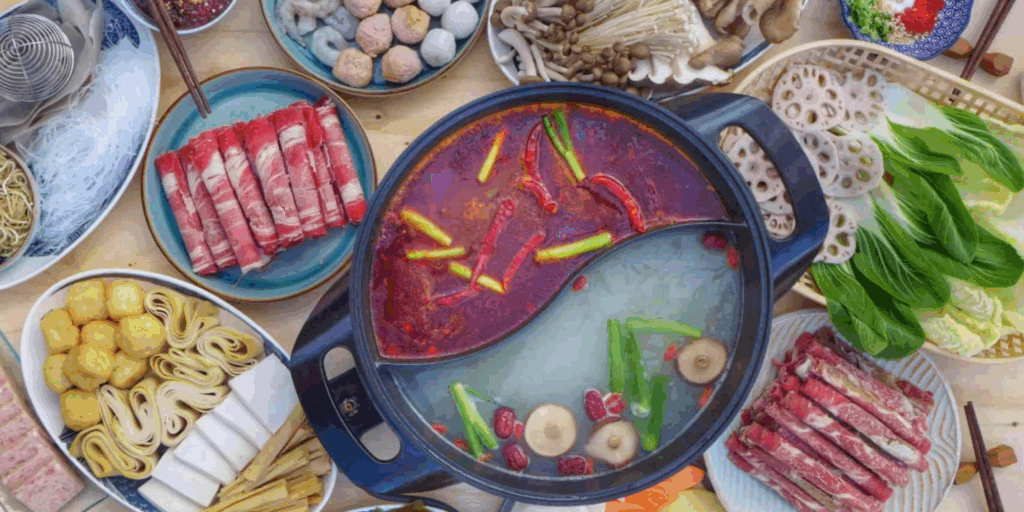
“Hot pot or 打邊爐 is a meal that embodies collaboration and community. There are many variations of it, but for my family, we’d often eat it in the winter as a tasty way to warm up. I reminisce about how—as a rambunctious household of six—we’d peruse the Asian supermarket for fishballs, veggies, meats, and tofu. By the end of the meal, the delicious soup we assembled was a simmering reflection of those who sat around the table.”
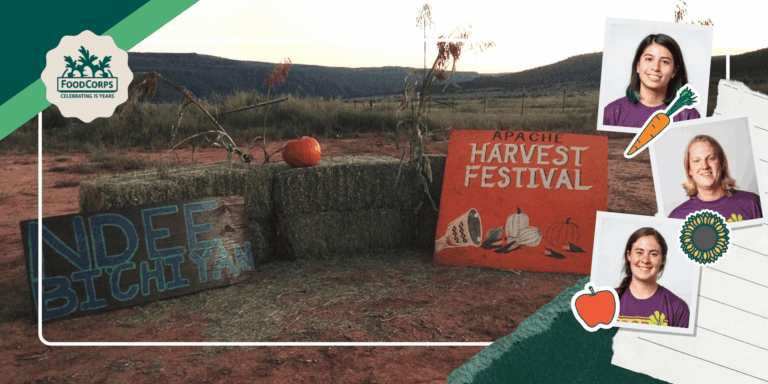
From the Archive: Farm to School in Native Communities (2015)
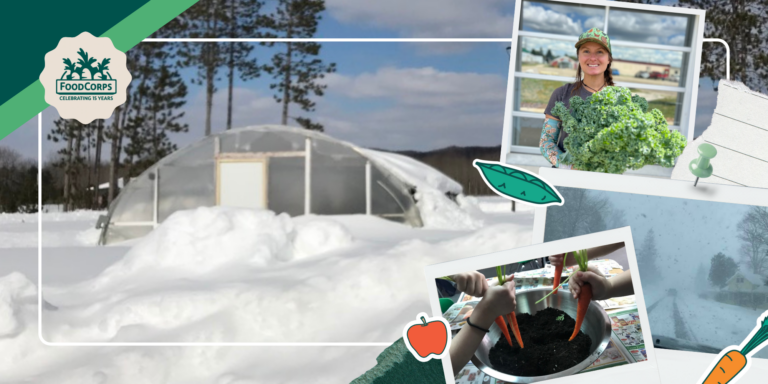
From the Archive: Snow Days, Hungry Days (2019)

Policy Spotlight: 15 Years That Shaped School Meals